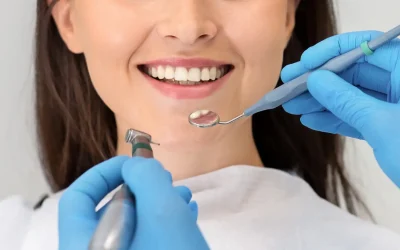
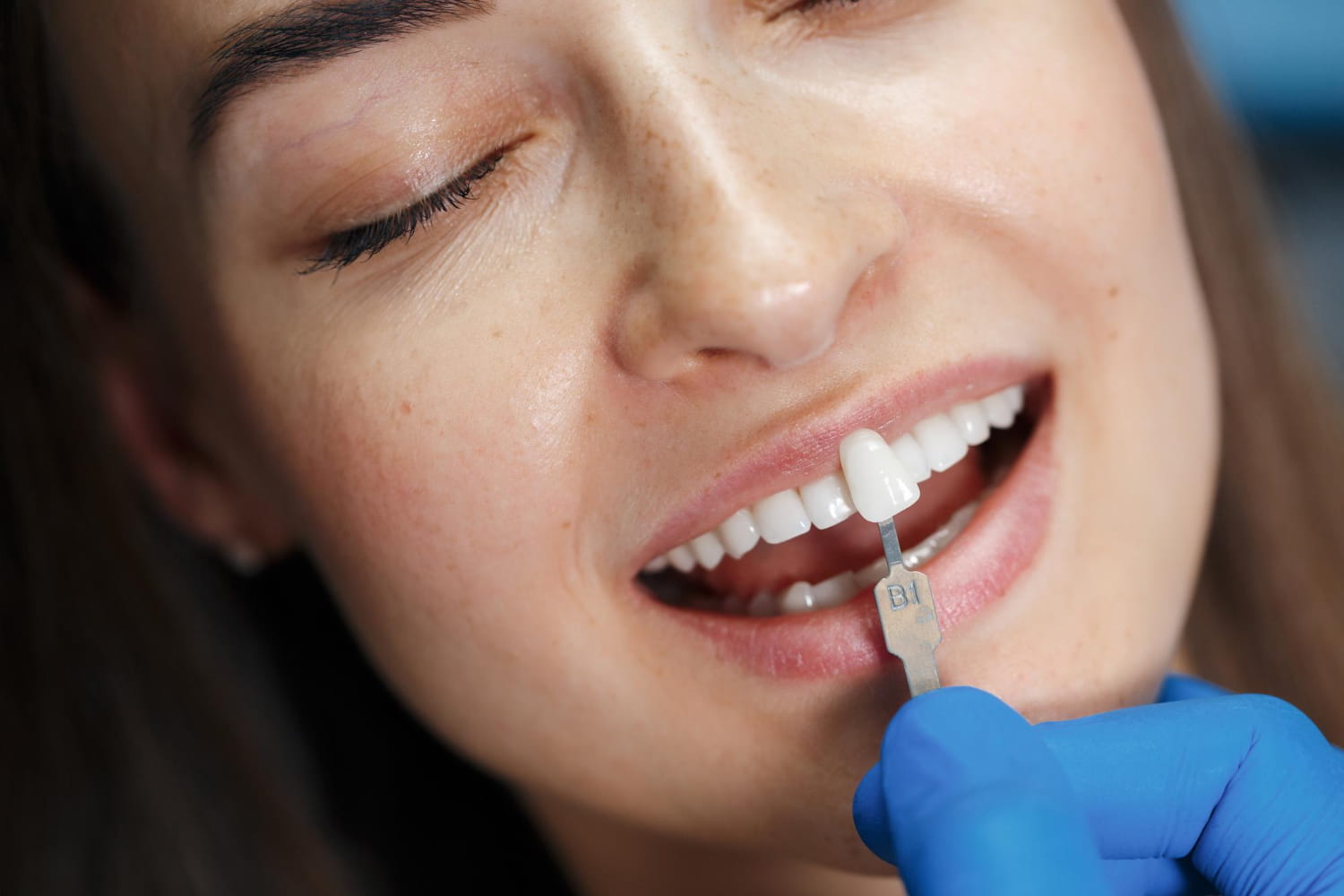
Veneers are the preferred treatment if someone wants to treat their discoloured, chipped, misshapen, or decayed teeth. This is because the beauty of the veneer procedure is that one is able to achieve perfection on their teeth through simple procedures.
This blog covers the meaning of veneers, the process involved, the various types available, and things one should consider before opting for veneers.
What Are Veneers?
Veneers are thin covers that fit on the front of teeth. They aim to enhance the shape, colour, size, and general appearance of teeth.
The main reasons for having veneers include:
- Severe staining
- Chips on your teeth
- Spacing problems
- Misshapen teeth
- Erosion of the outer layer of the tooth
- Slight misalignment of the teeth
Veneers are usually applied on the front teeth as they are more noticeable when talking and smiling.
How Do Veneers Work?
Veneers can be defined as a process of adhering a thin coat on the outer part of the teeth. After being adhered, the veneers serve as the outside of the teeth, thus enhancing its looks.
To begin with, it is important to conduct an initial consultation. At this stage, your mouth and teeth are checked by an expert dentist to determine whether you need veneer treatment or not. You can have X-ray images done. First, a small amount of enamel from your teeth is removed to make space for the placement of the veneer. Customized veneers are made with the help of impressions or digital scanning.
After this, they are placed on your teeth using a dental bonding agent and a special curing light.
Types of Veneers
There are many varieties of veneers available in the existing market, and the appropriate variety will vary from person to person depending upon certain considerations.
Porcelain Veneers
Porcelain teeth veneers remain one of the most commonly selected types of this treatment procedure. Porcelain veneers consist of a ceramic substance which resembles the appearance of natural teeth. Another aspect that makes porcelain teeth veneers highly desired by customers is their durability and lack of staining tendency.
Although porcelain veneers can be used for decades, they require thorough preparation of the teeth and are quite costly.
Composite Veneers
The other option consists of composite resin veneers. Dentists use the material to shape and form composite veneers on teeth during a dental appointment.
As compared to porcelain veneers, composite types tend to be less expensive. Moreover, they are easier to repair and can be made at once. However, composite veneers tend to get stained much faster and can only be effective for several years.
Benefits of Dental Veneers
Veneers can help:
- Brighten stained teeth
- Improve tooth shape
- Create a more even smile
- Cover chips and cracks
- Boost confidence
Porcelain veneers also resist stains better than natural enamel which makes them a popular option for people who regularly drink coffee, tea, or wine.
Key Differences: Porcelain Veneers vs Composite Veneers
| Feature | Porcelain Veneers | Composite Veneers |
| Material | Ceramic (lab-made) | Resin-based composite applied directly |
| Aesthetic quality | Highly natural, superior translucency | Good, but slightly less lifelike |
| Durability | High (10–15+ years typical) | Moderate (5–7 years typical) |
| Stain resistance | Very high | Prone to staining over time |
| Tooth preparation | More enamel removal usually required | Minimal to no removal in many cases |
| Application time | 2–3 visits (lab fabrication) | Often completed in 1 visit |
| Repairability | Hard to repair; usually replace | Easy to repair directly |
| Cost | Higher | Lower |
How Much Do Veneers Cost?
Another extremely common query that people often have is regarding the cost of veneers. Porcelain veneer dental work costs between $900 and $2500 depending on the tooth, while composite veneer dental work costs from $250 to $1500.
However, there are various things which affect this cost, like the type of material used for veneer, the number of teeth which require veneer, and so forth.
The total cost of veneers may also include:
- Dental consultation
- X-rays or scans
- Tooth preparation
- Temporary veneers
- Follow-up appointments
Best Type of Veneers for Stained Teeth
Porcelain veneers generally emerge as the preferred treatment option when it comes to heavily stained teeth. This is because ceramics get stained less often than composites and hide stains better.
Those whose stains cannot be addressed with bleaching may use porcelain veneers.
How Long Do Veneers Last on Teeth?
The lifespan of the veneers is very much dependent on their quality of material used along with the manner in which it is treated and cared for.
Porcelain veneers can last between 10-15 years or more when cared for properly. The lifespan of the composite veneers, in contrast, is supposed to vary from 4 to 8 years.
Good maintenance will demand oral hygiene, regular brushing of teeth and visiting the dentist. It is recommended to refrain from using your teeth for mechanical work such as breaking ice cubes.
Are Veneers Permanent?
Conventional veneers are regarded as permanent because a certain amount of tooth enamel is ground off while preparing the tooth. Given that the tooth enamel cannot regenerate, dental veneers or any other dental restoration becomes a necessity for the patient forever.
This means that a dental consultation must be done prior to carrying out the treatment procedure.
Final Thoughts
Given knowledge on veneers, it is easy to know whether veneers will fit your needs or not. That’s because veneers can correct whatever cosmetic issues your teeth might be facing whether it’s staining, chipping, crookedness, wear or something else.
FAQs
What are dental veneers? How do they work?
Dental veneers basically refer to an outer covering placed on top of the tooth to improve its appearance. This can hide discolourations, fractures, spaces, and crookedness.
How much do veneers cost?
The porcelain veneers will cost you about $900-$2500, whereas composite veneers are between $250-$1500 for each tooth.
Which veneer would be good for me if my teeth are stained?
In order to hide the stains on your teeth, you have to use porcelain veneers because of their durability.
Can you explain the difference between porcelain and composite veneers?
While porcelain veneers are much stronger and resist stains, composite ones are cheaper and their installation does not require so much time.
How long do they last?
Their lifespan depends on what materials they consist of. They usually can last between 4 years and 15 years or more.