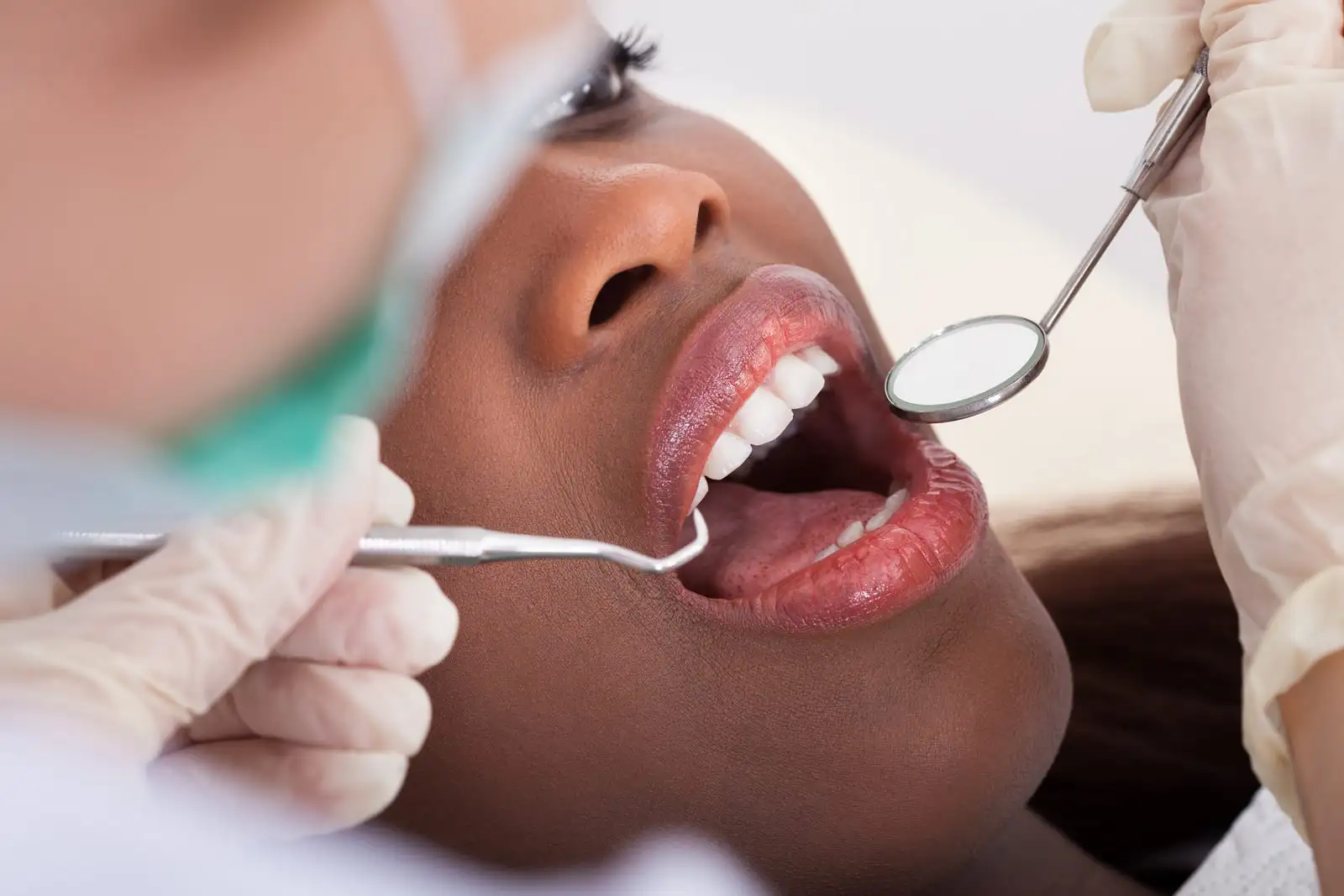
During pregnancy, your teeth and gums undergo many changes. Many expecting moms are surprised to learn that hormonal shifts during pregnancy can affect their oral health in ways they never expected. The good news is that with the right care, most pregnancy-related dental issues are easy to manage or prevent altogether.
Here’s everything you need to know about keeping your smile healthy while you’re expecting.
Why Pregnancy Affects Your Teeth and Gums
Women release more estrogen and progesterone during pregnancy. These hormones increase blood flow to your gum tissue and change the way your body responds to plaque. This is why so many pregnant women notice their gums are more sensitive, swollen, or prone to bleeding even if they’ve never had gum problems before.
This condition is common enough that it has its own name: pregnancy gingivitis. It typically shows up around the second month of pregnancy and can get worse as the months go on if it isn’t managed properly.
Signs of Pregnancy Gingivitis to Watch For
You don’t need to guess whether hormones are affecting your gums. Common signs include:
- Gums that bleed when you brush or floss
- Redness or puffiness along the gumline
- Gums that feel tender to the touch
- Bad breath that doesn’t disappear after brushing
If you notice any of these symptoms, don’t panic – pregnancy gingivitis is very common and very treatable. But it shouldn’t be ignored either, since untreated gum inflammation has been linked to more serious oral health issues later in pregnancy.
What Causes Pregnancy Teeth Pain
Pregnant moms often experience pregnancy teeth pain along with gum sensitivity. This can happen for a few reasons:
- Increased blood flow makes teeth and gums more sensitive to hot, cold, or sweet foods
- Morning sickness exposes teeth to stomach acid, which can wear down enamel over time
- Changes in diet and cravings – more frequent snacking, especially on sugary foods, gives bacteria more chances to attack your teeth
- Existing cavities or old fillings can become more noticeable as your body’s sensitivity increases
If tooth pain is sudden, sharp, or doesn’t go away, it’s worth getting checked rather than waiting it out. In cases where pain shows up unexpectedly and you need to be seen quickly, don’t hesitate to reach out to an emergency dentist in Etobicoke; pregnancy is not a reason to put off urgent dental care.
Is It Safe to Visit the Dentist While Pregnant?
Yes and it’s actually recommended. Routine dental checkups and cleanings are considered safe throughout pregnancy, and the second trimester (roughly weeks 14 to 20) is generally seen as the best window for non-urgent treatment. By this point, morning sickness has usually settled down, and you’re not yet uncomfortable sitting in a dental chair for longer periods.
That said, dental emergencies don’t wait for a convenient trimester. Infections, severe pain, or abscesses need to be treated right away, regardless of how far along you are, because leaving them untreated can pose more risk to you and your baby than the treatment itself.
Tips for Protecting Your Smile During Pregnancy
You don’t need a complicated routine to keep your mouth healthy while expecting. A few small habits go a long way:
- Use fluoride toothpaste and soft-bristled toothbrushes twice a day.
- Floss daily, even if your gums bleed a little at first – this usually improves once inflammation calms down.
- Rinse after morning sickness with water or a fluoride mouthwash instead of brushing right away, since stomach acid can temporarily soften enamel.
- Stay hydrated to help control dry mouth, which can increase your risk of cavities.
- Eat calcium and vitamin-rich foods to support both your teeth and your baby’s developing bones.
- Keep up with regular checkups so your dentist can catch small issues before they turn into bigger ones.
What to Tell Your Dentist
Always tell your dental team you’re pregnant, how far along you are, and any medications you’re taking. This helps them plan safely around X-rays, medications, and treatment timing. Most routine dental work, including cleanings, fillings, and treating infections, can be done safely dental care during pregnancy with a few precautions in place.
When to See a Dentist Right Away
The following symptoms shouldn’t wait for your next appointment:
- Severe or persistent tooth pain
- Swelling in your face or gums
- Signs of infection, like fever along with dental pain
- A broken or knocked-out tooth
If any of these come up, it’s best to get seen quickly rather than wait it out. Your Etobicoke dentist can assess the situation and help keep you and your baby safe and comfortable.