If you think about sitting in the dentist chair and feel the heart start racing, you’re not alone. Thousands of individuals postpone their dental visits for routine teeth cleaning and checkups out of fear or anxiety. This can result in problems with maintenance of proper dental care and this may cause people to avoid having the needed treatment. Sedation dentistry was invented for this reason. It makes the visits to the dentist comfortable for patients who suffer from dental anxiety. Sedation is beneficial especially when patients have complex surgery or Emergency Dental Care and urgent dental work and are unnerved about meeting the dentist. Sedation dentistry enables the patient to be calm and relaxed during treatment and permits the anxious patients to carry on with their oral surgery without any fear or stress.
So, What Exactly Is Sedation Dentistry?
It is the process of using drugs to aid relaxation during dental procedures. It is essential to note that this does not always mean the use of anesthesia. The amount of anxiety, the kind of procedures, and the medical history of patients influence the degree of sedation that can be administered.
The idea behind sedation dentistry is simple: to make sure that the patient will be comfortable enough so that he will receive the dental treatment that he needs.
The Different Levels of Sedation
Not all patients will need the same treatment approach. That is why sedation dentistry isn’t for everyone. Here’s an overview of what’s generally offered:
Minimal Sedation (Nitrous Oxide): Known as “laughing gas,” this sedative is breathed through a small mask and fades almost instantly once the mask is removed. The patient remains conscious during the procedure, even able to drive themselves home afterwards. It is sufficient for mild anxiety.
Oral Sedation: In this process, a pill is taken by the patient before their appointment. Depending on the dose, it can make the patient drowsy and even almost asleep, but he/she can be easily awakened. The effects of this sedation last longer, and hence a person is required to take the patient back home.
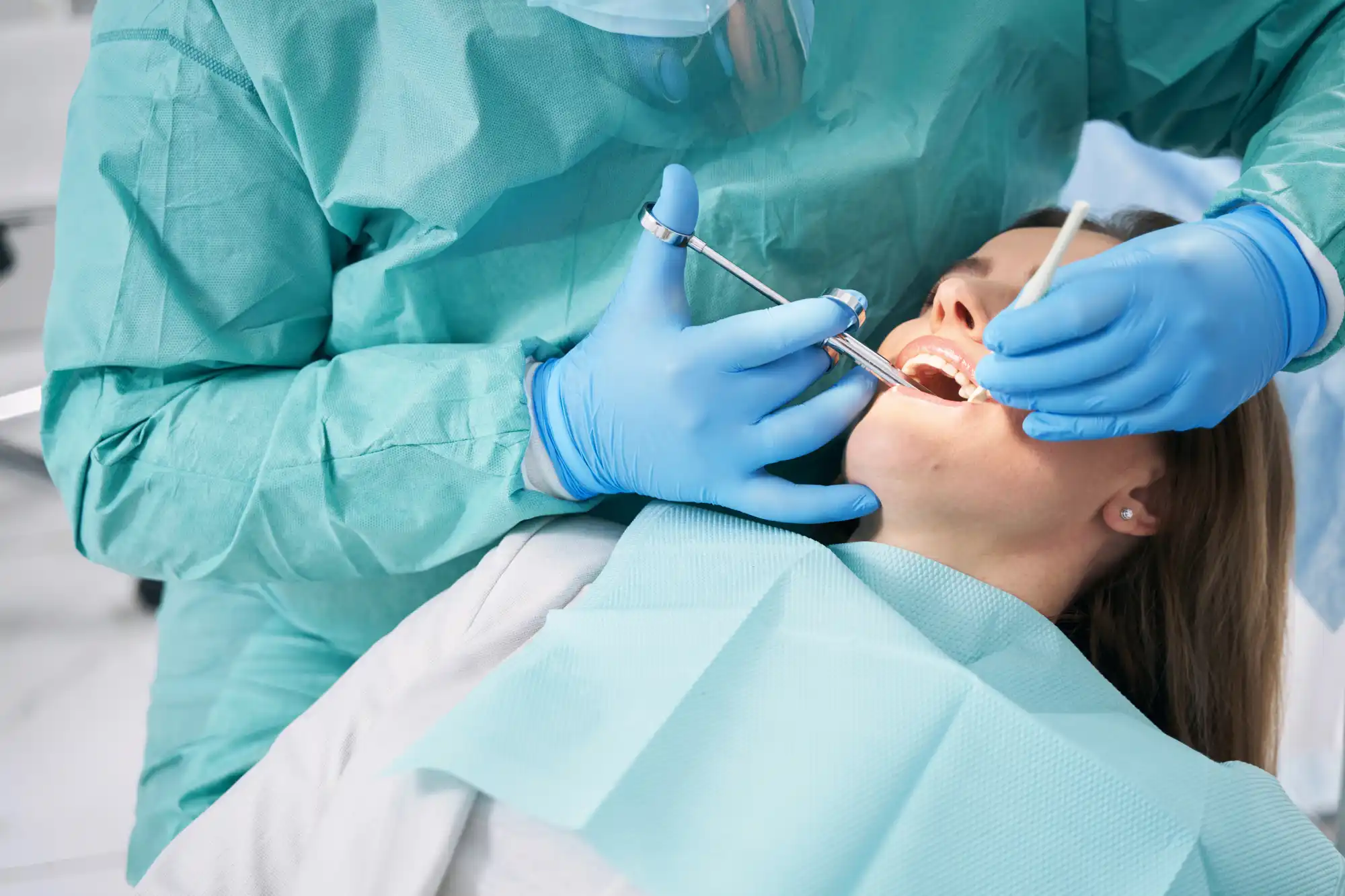
IV Sedation: This type of sedation is injected directly into the bloodstream and therefore has a faster onset of action, as well as enabling the dentist to vary the amount of sedation administered during the process.
General Anesthesia: It makes the patient fully unconscious and is used for complex surgical procedures, not regular dental procedures.
Who Actually Needs Sedation Dentistry?
People usually think that sedation is only necessary for individuals who are undergoing complex oral surgery procedures. But actually, several patients benefit from it. Below are some of them:
- People with dental anxiety or phobia: For some individuals, the noise of the drill and the smell of the dental office are sufficient to provoke genuine fear. With sedation, they can undergo treatment without being scared.
- Patients with a low pain threshold: Some people are more sensitive to their sensations even when under local anesthesia. Sedation helps reduce this sensitivity.
- Patients with a strong gag reflex: There are some procedures that are hard to perform on patients with a strong gag reflex because of the area of the mouth involved.
- People needing extensive work in one visit: Instead of making several appointments for that purpose, sedation makes it possible to do more in a shorter amount of time.
- Patients with limited mobility or special needs: It is not easy to sit in the same position for long periods of time, and sedation makes this task easier.
- Children who struggle to stay calm: In some cases, mild sedation is administered to assist younger patients in enduring their treatments without becoming overwhelmed.
Is Sedation Dentistry Safe?
This is always the first question to arise, and it is a justified one. Sedation dentistry, when practiced by a professional who analyzes your medical history before carrying out the procedure, is known to be quite safe. In your appointment at the dentist’s office, the dentist will always inquire about the medications you are using, if you have any allergies, and your general health condition to determine the kind of sedation method to employ. This careful assessment can also help when planning treatments such as a Smile Makeover, ensuring the sedation approach is considered alongside your individual treatment needs.
Despite this, certain individuals may not be the best candidates for being put under sedation, because some patients may suffer from respiratory problems or even pregnancy.
What Should You Expect Before and After?
It all depends on what kind of sedation you are going to have. If you need nitrous oxide, nothing unusual is needed. Simply eat as usual and make your way home as usual. If you need an oral sedation or IV sedation, then you will be told not to eat before the procedure and arrange for transport back and forth.
Afterwards, there could be some mild grogginess and confusion regarding the whole process, especially if sedation was done orally or intravenously. This is actually one of the advantages of having sedation dentistry because most of the people will not even remember what happened during their dental session.
Choosing the Right Option for You
One way to determine which form of sedation is right for you is by having an open discussion with your dentist. The factors involved may include the type of procedure, your anxiety levels, your medical history, and even your personal preferences. In case you have neglected your dental care due to your fear of going to the dentist, then you might want to mention that since the dentist has probably heard that more than once. Sedation may also be helpful for patients undergoing multiple or more involved procedures, such as a smile makeover in Toronto, especially if dental anxiety makes treatment difficult.
Final Thoughts
It doesn’t make sense to miss out on essential treatment because of dental fear. Sedation dentistry was designed to serve as a solution for patients who require some level of treatment while having fears about going to the dentist.
For those of you seeking an Etobicoke dentist who listens to all of your concerns before giving you advice on how to handle your anxiety problem, you should set up a consultation. For most people, it will mark the beginning of their anxiety-free dental experiences.