A proportional smile depends on the shape, colour, and alignment of teeth. However, it can be affected by the onset of a single or many cosmetic concerns, such as stains, chipped enamel, uneven edges, or small gaps. In modern cosmetic dentistry, dental veneers are generally used to improve these issues while preserving most of the natural tooth structure.
Patients often compare composite vs porcelain veneers when considering cosmetic dental treatment. Both options can enhance the appearance of teeth, but they differ in terms of:
- Material
- Durability
- Treatment duration, and
- Maintenance.
Between composite veneers and porcelain veneers, choosing the most suitable veneer treatment depends on understanding the key differences thoroughly.
And this guide does the same. It describes how each option works and what patients can expect after treatment.
What Is a Dental Veneer?
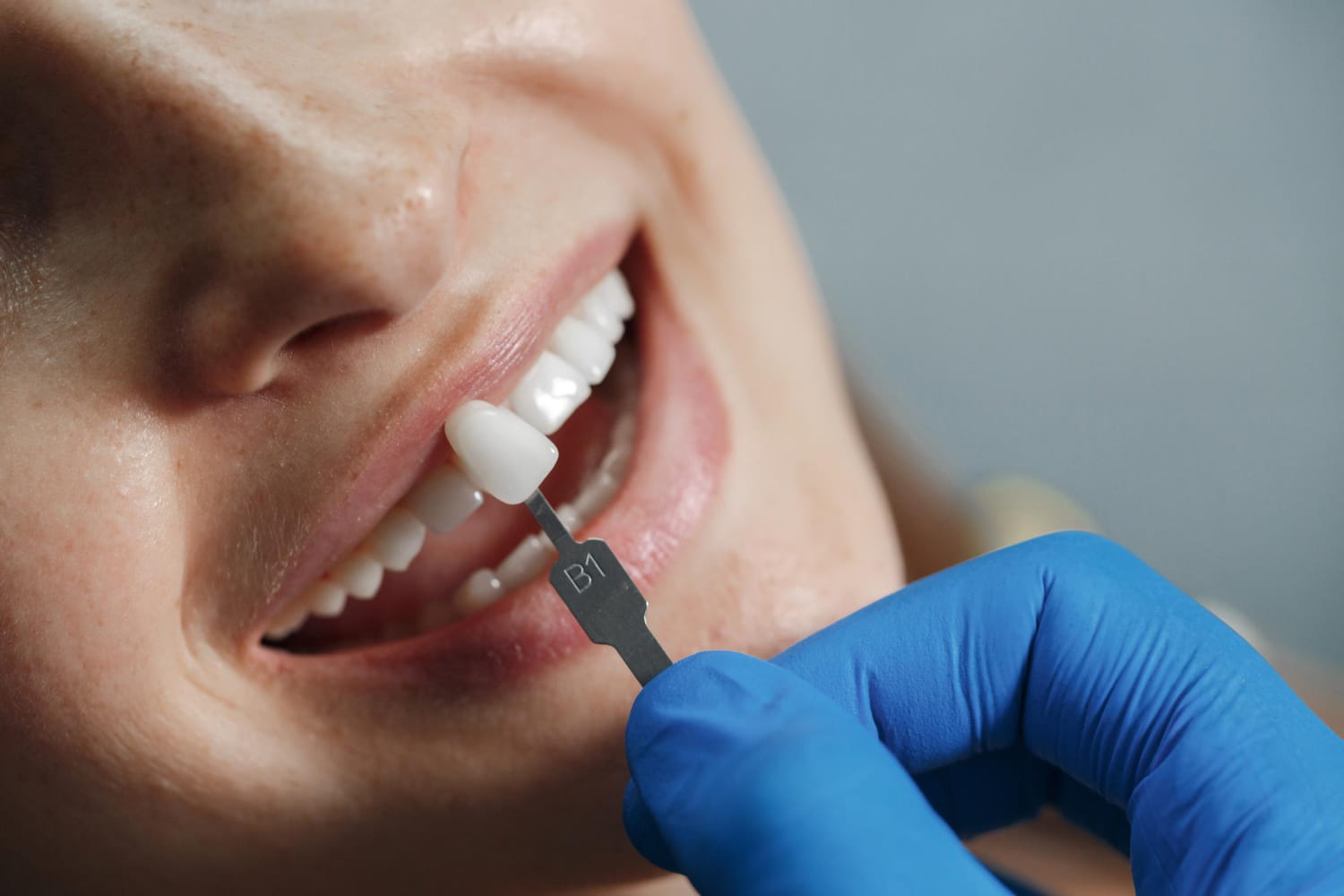
A dental veneer is a thin, custom-made shell attached to the front of the tooth. It usually preserves most of the natural enamel.
Dentists often recommend veneers to address cosmetic concerns such as:
- Stubborn tooth discoloration
- Chipped enamel
- Slightly uneven teeth
- Small gaps, and
- Irregular teeth.
The attached veneer becomes an integral part of the tooth surface. This helps create an aesthetically pleasing smile.
What are Porcelain Veneers?
Porcelain veneers are thin ceramic shells attached to the front of the teeth. They are used to improve tooth colour, shape, or size. Dentists often recommend them to create a natural smile.
They are among the most common procedures in cosmetic dentistry for patients who yearn for a smile makeover and are mainly preferred due to:
1. Appearance
Porcelain veneers are almost indistinguishable from natural enamel and have a similar reflectivity to light. They are also highly resistant to stains.
2. Durability
With proper oral hygiene and routine dental care, porcelain veneers can remain operational for many years.
3. Limitations
The porcelain veneers treatment is not completed in a single visit. A small portion of enamel is removed to accommodate a proper fit of the restoration. Since they are individually crafted in a dental laboratory, they are more expensive.
What are Composite Veneers?
Composite veneers use tooth-coloured composite resin. Dentists place the material directly on the teeth. They shape it during the procedure. These veneers improve tooth colour, shape, and overall smile appearance. They are usually preferred by patients who prefer a more conservative and cost-effective cosmetic solution and are majorly sought-after due to their:
1. Convenience
Composite veneers are generally completed during a single appointment as the dentist applies and sculpts the resin directly on the tooth. This allows patients to see immediate improvements.
2. Repairability
A chipped composite veneer can be repaired without replacing the entire restoration.
3. Limitations
Composite veneers tend to stain over time, especially when subjected to coffee, tea, or tobacco products. They have a shorter lifespan compared to porcelain veneers and also require maintenance at times. They are also prone to losing their lustre
Despite these factors, composite veneers may be considered an effective solution to aesthetic problems.
Composite Veneers: Before and After
Many patients choose composite veneers because they can provide discernible improvements in a short time. The procedure is conservative and is commonly performed in a single clinical session.
General composite veneers modifications include:
- Repairing chipped front teeth
- Closing small gaps
- Improving mild discoloration, and
- Reshaping uneven tooth edges.
During treatment, the dentist will place layers of composite resin on the tooth and shape it to blend in with the adjacent teeth.
This resin is then hardened using a light and made smooth. The result obtained is a beautiful smile.
Composite veneers can be polished occasionally as needed over time. Regular visits to the dental clinic help maintain the appearance.
Composite vs Porcelain Veneers: Key Differences
Dentists generally consider four major factors when figuring out whether to choose composite or porcelain veneers. A few are:
- The material used
- Treatment procedure
- Durability, and
- The final appearance of the smile.
1. Material used
Composite veneers are made from tooth-coloured resin. Dentists commonly use this resin for fillings and bonding procedures.
Porcelain veneers are made from durable dental ceramic. It is translucent and also resembles natural enamel.
2. Treatment procedure
Composite veneers are usually completed in a single appointment. The dentist applies the resin directly to the teeth. It is then shaped and hardened with a curing light.
The process of getting porcelain veneers needs several dental appointments. The dentist conducts procedures involving tooth preparation and impression taking. A dental laboratory then creates the veneers.
3. Durability
Composite veneers generally last for 4 to 7 years. Their lifespan depends on oral hygiene and lifestyle habits.
Porcelain veneers are more durable. They can often last 10 to 15 years or longer.
Aesthetics
Composite veneers enhance smiles.
Porcelain veneers create a natural appearance which matches the look of real teeth. The ceramic material mirrors light in a way that resembles how tooth enamel reflects light.
| Features | Composite Veneers | Porcelain Veneers |
| Material | Composite resin | Dental ceramic |
| Treatment Duration | Usually one visit | Two or more visits |
| Durability | Around 4–7 years | 10–15+ years |
| Stain Resistance | Moderate | High |
| Cost | Lower | Higher |
| Repairability | Easier to repair | Usually replaced if damaged |
This comparison sheds more light on the key differences between porcelain and composite veneers.
Dentist Insight
Dentists evaluate several factors before suggesting a specific type of veneer. These include:
- Enamel thickness
- Bite alignment
- Gum health, and
- Overall oral hygiene.
Porcelain veneers are a common go-to for patients in search of a long-lasting, discreet method of improving their dental appearance.
Composite veneers may be considered for slight aesthetic changes. They are preferred by patients who want to achieve results in a shorter time and at a lower cost.
It is essential to perform a dental examination to know which type of veneer will best suit you.
Which Veneer Type Is Suitable for You?
Veneer selection is an issue best decided by the patient based on needs and expectations.
Composite veneers may be appropriate for patients who:
- Want a lower-cost cosmetic treatment
- Prefer results in a single visit, or
- Need minor improvements.
Porcelain veneers are better suited for patients who want:
- A natural appearance
- Long-lasting durability, and
- A comprehensive smile transformation.
Summary
Dental veneers help improve smile harmony. The selection process requires multiple treatment factors to be evaluated after the patient chooses between two veneer options.
Minor cosmetic changes can be achieved through the use of composite veneers. It provides both easy application and affordable pricing. Porcelain veneers provide extended durability and enhanced visual appeal, surpassing other materials throughout their entire lifespan.
We recommend consulting with a dentist to determine which type of veneer is most suitable for your needs. Through proper dental maintenance and scheduled dental visits, patients can extend the duration of their veneers.
FAQs
What is the difference between composite veneers and porcelain veneers?
Composite and porcelain veneers differ mainly in material, durability, and treatment process. Composite veneers are made from tooth-coloured resin and are usually applied in one visit. Porcelain veneers are custom ceramic shells fabricated in a dental laboratory and typically last longer.
Are veneers covered by insurance in Canada?
Dental veneers are usually considered a cosmetic procedure in Canada, so most insurance plans do not fully cover them. In some cases, partial coverage may be possible if veneers are required to restore damaged teeth or improve dental function.
Are porcelain veneers stronger than composite veneers?
Yes, porcelain veneers are generally stronger and more durable than composite veneers. Dental ceramic resists staining and wears more effectively. With proper care, porcelain veneers often last 10–15 years or longer, while composite veneers typically last around 4–7 years.
Are composite veneers the same as porcelain veneers?
No, when comparing composite veneers vs porcelain veneers, they are not the same; these are two different types of cosmetic dental restorations. Composite veneers are made from resin and sculpted directly on the tooth, while porcelain veneers are thin ceramic shells created in a dental laboratory and bonded to the tooth surface.
Can teeth decay under composite or porcelain veneers?
Yes, tooth decay can still occur under veneers if oral hygiene is poor. Veneers only cover the front surface of the tooth, leaving the remaining structure vulnerable. Brushing, flossing, and regular dental visits help prevent decay around veneers.